
Introduction
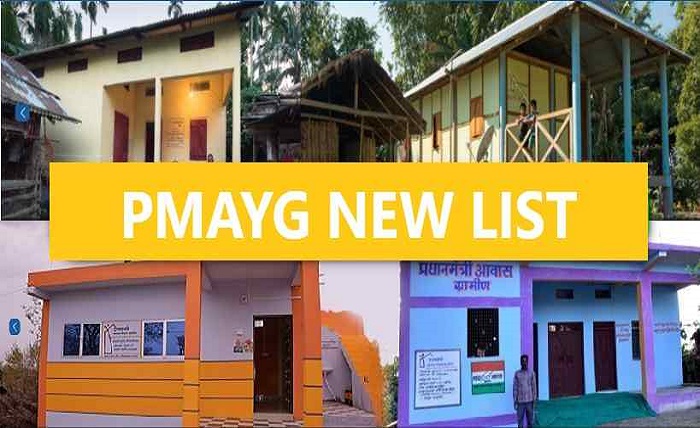
PMAYG, also known as Pradhan Mantri Awas Yojana Gramin, is one of the most important rural housing schemes launched by the Government of India. The main goal of PMAYG is to provide affordable and permanent houses to poor families living in rural areas. Through PMAYG, millions of families who previously lived in kutcha houses are now getting pucca homes with better living conditions.
The PMAYG scheme focuses on improving the quality of life in villages by ensuring that every eligible citizen has access to safe and secure housing. PMAYG not only provides financial assistance for house construction but also promotes sanitation, clean energy, and proper infrastructure. Because of these features, pmayg has become a transformative initiative for rural development in India.
What Is PMAYG and Why Was It Introduced?
PMAYG was introduced by the Government of India to address the housing shortage in rural regions. Before PMAYG, many families lived in temporary houses made from mud, bamboo, and other weak materials. These homes were vulnerable to rain, storms, and extreme weather conditions. PMAYG was launched to replace these unsafe houses with durable and modern homes.
The PMAYG scheme was officially launched in 2016 as a replacement for the earlier Indira Awaas Yojana. The government aimed to construct millions of houses under PMAYG by providing financial support directly to beneficiaries. PMAYG ensures transparency by transferring funds directly into bank accounts linked with Aadhaar numbers.
Another important reason behind PMAYG was to improve rural infrastructure and reduce poverty. PMAYG encourages better living standards by integrating electricity, toilets, drinking water, and clean cooking fuel into rural homes. As a result, PMAYG contributes significantly to social and economic development.
Key Features and Benefits of PMAYG
PMAYG offers several valuable features and benefits that make it one of the most successful housing schemes in India. One of the main benefits of PMAYG is financial assistance for house construction. Eligible beneficiaries receive financial aid from the government to build pucca houses with basic facilities.
Under PMAYG, beneficiaries in plain areas receive financial support of up to ₹1.20 lakh, while those living in hilly or difficult areas receive up to ₹1.30 lakh. PMAYG also provides support through schemes like MGNREGA, which offers wage employment during construction work.
Another important feature of PMAYG is the focus on women empowerment. In many cases, houses built under PMAYG are registered in the name of female family members or jointly with spouses. This approach under PMAYG promotes gender equality and financial security for women.
PMAYG also uses modern technology to monitor construction progress. Geo-tagging and mobile applications help authorities ensure transparency and prevent corruption. Because of these innovative features, PMAYG has earned recognition as a reliable rural housing initiative.
Eligibility Criteria for PMAYG
Understanding the eligibility criteria for PMAYG is essential for families who want to benefit from the scheme. PMAYG mainly targets poor and homeless families living in rural areas. The beneficiaries of PMAYG are selected based on data from the Socio-Economic and Caste Census (SECC).
Families living in kutcha houses with weak roofs and walls are eligible for PMAYG assistance. People who do not own a house and belong to economically weaker sections can also apply for PMAYG benefits. Priority under PMAYG is often given to widows, disabled persons, senior citizens, and marginalized communities.
However, certain families are excluded from PMAYG eligibility. Households that own large properties, vehicles, or government jobs are usually not considered under PMAYG. Income level and living conditions play a major role in determining eligibility for PMAYG.
The government regularly updates the beneficiary list to ensure deserving families receive PMAYG support. Interested applicants can check their PMAYG eligibility status online through the official portal.
How to Apply for PMAYG
Applying for PMAYG is a simple process designed to help rural citizens access housing benefits easily. Beneficiaries selected under PMAYG are generally identified by local authorities using SECC data. However, eligible individuals can also contact Gram Panchayats for guidance regarding PMAYG applications.
The first step in the PMAYG application process is verification of eligibility. Applicants need documents such as Aadhaar cards, bank account details, and identity proof for PMAYG registration. After verification, the beneficiary’s details are entered into the PMAYG database.
Once approved, PMAYG funds are transferred directly into the beneficiary’s bank account in installments. These installments are linked to different stages of house construction under PMAYG. Beneficiaries can track the status of their PMAYG application online using the official government portal.
The transparent process of PMAYG has reduced delays and corruption. Because of digital monitoring systems, PMAYG ensures faster delivery of housing assistance to deserving families.
Objectives and Vision of PMAYG
The main objective of PMAYG is to provide “Housing for All” in rural India. PMAYG aims to ensure that every poor family has access to a safe and permanent house with basic facilities. The scheme also focuses on improving overall living standards in villages.
Another important objective of PMAYG is social inclusion. The scheme prioritizes vulnerable groups such as Scheduled Castes, Scheduled Tribes, and economically weaker sections. Through PMAYG, the government aims to reduce inequality and support inclusive development.
PMAYG also promotes sustainable construction practices. Eco-friendly building materials and disaster-resistant technologies are encouraged under PMAYG to ensure long-lasting homes. This focus on sustainability makes PMAYG beneficial for both people and the environment.
The long-term vision of PMAYG is to transform rural India into a more developed and self-reliant society. By improving housing conditions, PMAYG creates opportunities for better health, education, and employment.
Challenges Faced by PMAYG
Although PMAYG has achieved remarkable success, the scheme also faces several challenges. One common issue in PMAYG implementation is delays in construction due to lack of materials or labor shortages. In remote areas, transportation difficulties can slow down PMAYG projects.
Another challenge in PMAYG is beneficiary awareness. Many rural families are unaware of PMAYG eligibility criteria and application procedures. This lack of information sometimes prevents deserving citizens from receiving PMAYG benefits.
Land ownership disputes can also create obstacles in PMAYG implementation. Some families eligible for PMAYG do not have legal ownership documents for land, making it difficult to approve housing assistance.
Despite these challenges, the government continues to improve PMAYG through digital tools, awareness campaigns, and policy reforms. Continuous monitoring and transparency are helping PMAYG achieve better results every year.
Future of PMAYG in Rural Development
The future of PMAYG looks promising as the government continues to invest in rural housing development. PMAYG is expected to play a major role in reducing homelessness and poverty in India’s villages. The scheme is continuously evolving to meet the growing housing needs of rural populations.
Technology will likely strengthen PMAYG further in the coming years. Online portals, mobile applications, and real-time monitoring systems will improve transparency and efficiency in PMAYG implementation. These advancements will help beneficiaries receive assistance more quickly.
PMAYG is also expected to contribute to economic growth by generating employment opportunities in rural construction sectors. The demand for labor, materials, and local services created by PMAYG supports village economies.
As India moves toward modernization, PMAYG will remain a crucial initiative for inclusive development. By providing safe housing and essential facilities, PMAYG helps create healthier and more stable rural communities.
Conclusion
PMAYG has emerged as a powerful housing scheme that is transforming rural India. By providing financial assistance and promoting better living standards, PMAYG has improved the lives of millions of families. The scheme not only focuses on housing but also encourages sanitation, women empowerment, and sustainable development.
Through transparency, technology, and government support, PMAYG continues to bridge the gap between poverty and secure housing. Although challenges remain, PMAYG has shown significant progress in achieving its mission of “Housing for All.” With continued efforts and improvements, PMAYG will continue to shape a brighter future for rural communities across India.
FAQs
1. What does PMAYG stand for?
PMAYG stands for Pradhan Mantri Awas Yojana Gramin, a rural housing scheme launched by the Government of India.
2. Who is eligible for PMAYG?
Families living in rural areas without permanent houses or living in kutcha houses are generally eligible for PMAYG benefits.
3. How much financial assistance is provided under PMAYG?
Under PMAYG, beneficiaries can receive up to ₹1.20 lakh in plain areas and ₹1.30 lakh in hilly regions for house construction.
4. How can I check my PMAYG beneficiary status?
You can check your PMAYG beneficiary status through the official PMAYG website using your registration details.
5. What are the main objectives of PMAYG?
The main objectives of PMAYG are to provide affordable housing, improve rural living standards, and support inclusive development in villages.